
Gel Vs Foam Motorcycle Seats
for Long Highway Rides
Table of Contents
1. What Foam Motorcycle Seats Actually Do
2. What Gel Motorcycle Seats Actually Do
3. Gel Vs. Foam: Side-by-Side for Highway Rides
4. The Smarter Option: Gel-Infused Foam Hybrid Seats
5. Choosing the Right Seat Material for Highway Riding
6. Practical Tips for Long-Haul Seat Comfort
Seat pain ruins more rides than bad weather ever will. A rider can gear up for rain, plan for heat, and reroute around traffic, but there is no easy fix for a seat that starts to break down comfort at mile 80. For long highway rides, the material inside a motorcycle seat is not a minor detail. It is the difference between arriving fresh and arriving stiff, sore, and counting down the miles.
Viking Bags, one of the best motorcycle aftermarket parts makers in the business, has been solving this exact problem through model-specific seat designs built around real rider needs. Their lineup of motorcycle seats spans everything from Harley-Davidson Softails to Indian Chiefs, with materials chosen for genuine long-haul performance, not just looks. The engineering behind each seat reflects a clear focus on what distance riders actually feel over hours in the saddle.
Both gel and foam have their place in the world of seats. But for long highway rides, one clearly wins. Keep reading to get the full breakdown of how each material performs, where each one falls short, and which setup makes the most sense for serious distance riding.
1. What Foam Motorcycle Seats Actually Do
Foam has been the standard in motorcycle seats for a long time. Most factory seats use some form of polyurethane (PU) foam, which is easy to shape, lightweight, and affordable to produce. For riders who cover 30 to 60 miles at a time, foam works well enough.
The issue shows up on longer runs. Foam compresses under sustained body weight. As it compresses, it loses its cushioning ability, and the rider ends up sitting closer and closer to the hard seat pan beneath. That is when the numbness and aching set in.
What foam seats do well:
● Low weight and cost - Foam keeps overall seat weight down, which matters on sport or naked bikes. It is also less expensive than gel, making it the default for budget-conscious builds and stock configurations.
● Solid initial comfort - Right out of the gate, foam feels comfortable. It has enough give to absorb minor bumps and road vibration, and a well-made foam seat feels supportive at first contact.
● Wide density range - Foam comes in various firmness levels. High-density foam holds its shape longer, offers better posture support, and is a meaningful upgrade over soft, cheap foam that flattens quickly.
● Durability when quality is right - Quality foam does not break down quickly. A well-made seat with the right density can last for years without major shape loss, as long as the foam spec matches the riding demand.
The real weakness of foam is its inability to sustain pressure. On a 4-hour or 6-hour highway stretch, that initial cushion fades. Blood flow to soft tissue gets restricted. The discomfort builds in a way that shorter rides never reveal.
2. What Gel Motorcycle Seats Actually Do
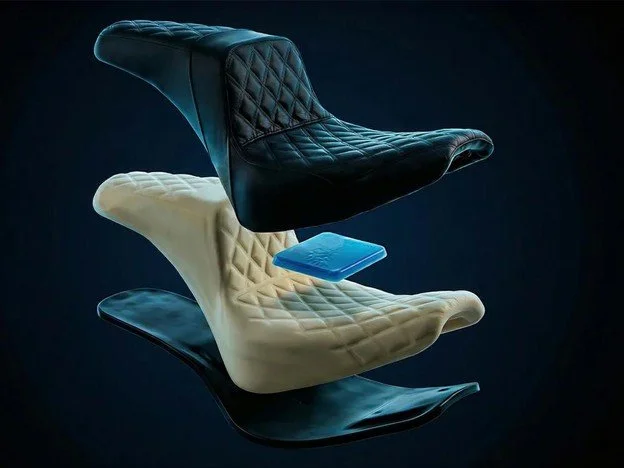
Gel seats use a layer of viscoelastic or silicone-based gel, alone or infused into a foam base, to spread a rider's weight more evenly across the seat surface. Unlike foam, which resists and compresses, gel conforms. It moves with the body rather than pushing back against it.
For touring riders or anyone logging four or more hours in the saddle, gel is often the first meaningful upgrade they make.
What gel seats do well:
● Deep pressure relief - Gel molds to the rider's body and reduces localized pressure on the tailbone, sit bones, and inner thighs. These are the areas most prone to numbness and fatigue during long highway stints. The difference is not subtle; riders switching from stock foam often notice it within the first hour.
● Even weight distribution - Rather than concentrating support in narrow zones, gel spreads load across a wider surface area. This keeps blood flowing more freely, delaying fatigue and helping riders stay comfortable much longer.
● Better heat management - Foam traps body heat. Gel disperses it more effectively, which is a meaningful comfort factor on warm-weather rides across open, sun-exposed highways.
● Higher cost, but worth it - Gel seats cost more than basic foam options. For occasional short rides, that cost may not be justified. For serious long-distance riding, the investment pays back in reduced fatigue, less pain, and longer, more enjoyable time in the saddle.
3. Gel Vs. Foam: Side-by-Side for Highway Rides
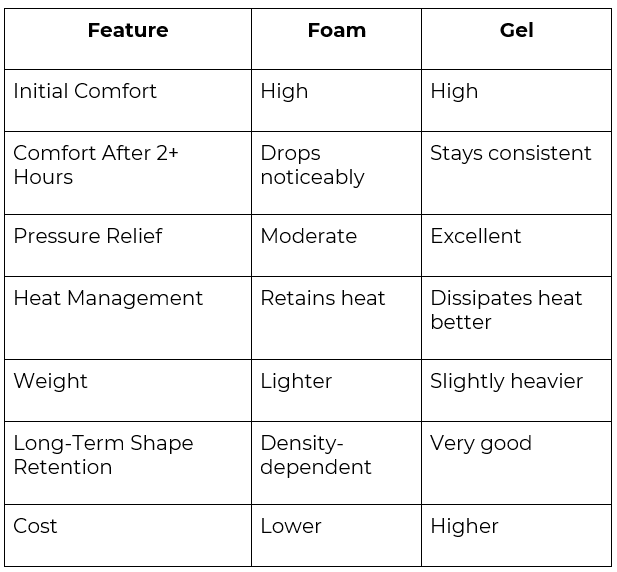
For short commutes, foam is fine. For long highway rides, gel wins on every performance metric that matters over time.
4. The Smarter Option: Gel-Infused Foam Hybrid Seats
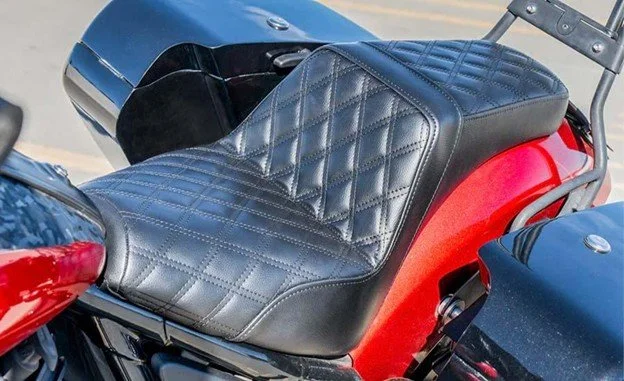
The motorcycle seat market has largely moved past the foam-or-gel binary. The real sweet spot for highway riders is a hybrid construction, a gel-infused foam seat that combines structural support with pressure-relieving properties.
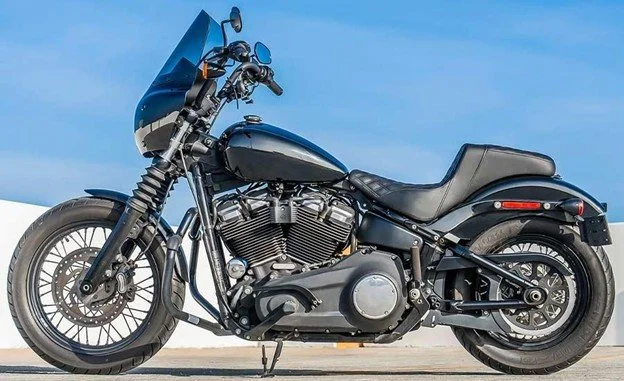
A clear example of this approach is the Viking Iron Born Diamond Stitch 2-Up Seat for the 2018+ Harley Softail Street Bob. This Viking Iron Born gel-padded seat for the Harley Softail Street Bob uses gel technology built into a PU foam base, which means it holds shape like foam while the gel layer distributes weight and reduces pressure buildup over long stretches. The step-up 2-up design also adds lower-back support for the rider, something stock seats almost never include, making it a genuine upgrade for highway touring. Weather-resistant PVC leather keeps the exterior intact through changing road conditions, and the diamond-stitch styling gives it a sharp, custom look without sacrificing function.
Viking Bags, one of the best motorcycle seat manufacturers, builds seats like this with long-haul riders clearly in mind. It's not just about aesthetics; the material and design choices reflect real feedback from the people putting serious miles on their bikes.
5. Choosing the Right Seat Material for Highway Riding
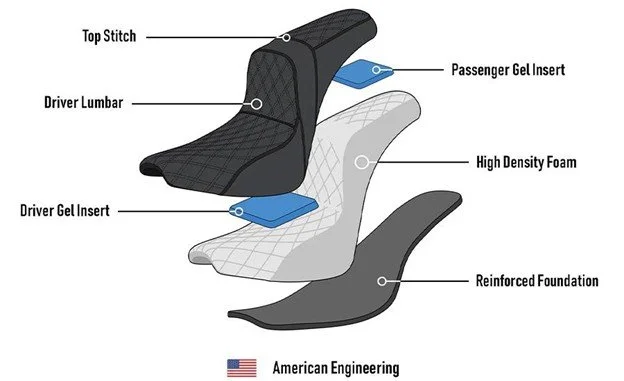
A few honest questions help narrow the decision:
● How long are typical rides? For anything beyond two hours at highway pace, a gel or gel-infused hybrid is the better call. Standard foam compression kicks in well before that point.
● What roads are most common? Rough, uneven highway surfaces amplify the impact felt through the seat. Gel absorbs and spreads this stress better, making it more forgiving on imperfect pavement.
● Is heat an issue? Riders in warm climates who spend long days on exposed highways will notice gel's thermal advantage more than those riding in cool, overcast conditions.
● Is a passenger along for the ride? On 2-up seats, the material choice matters just as much for the passenger. A well-built gel-infused 2-up seat covers both positions in one upgrade.
6. Practical Tips for Long-Haul Seat Comfort
Regardless of the seat material, a few habits stretch comfort on long rides:
● Stop every 90 minutes to get off the bike, walk around, and restore blood flow. No seat, gel, or foam replaces the benefit of regular breaks on multi-hour runs.
● Match the seat to the bike's geometry before buying. A premium gel seat on a bike with an aggressive forward lean may not help if posture is the root issue.
● Pair the seat upgrade with anti-vibration grips to reduce overall fatigue from vibration transmitted through the frame.
● Check fitment specs carefully. An aftermarket seat must match the bike's model and year. A great seat on the wrong mount does more harm than good.
7. The Bottom Line
Foam does its job on shorter rides. But for long highway miles, the kind where riders are out for four, six, or eight hours, gel or gel-infused hybrid seats are in a different class. Pressure relief, improved heat management, and sustained comfort are not marginal gains. They are the difference between finishing a ride strong and spending the last two hours shifting around trying to find relief.
Viking Bags, the best-in-class motorcycle aftermarket parts and luggage maker, has built a seat lineup that takes this seriously. For riders ready to stop tolerating seat discomfort and start solving it, upgrading the seat material is the first and most impactful step.